
Are corporeal techniques part and parcel of what we call culture? Does knowledge emerge through shared bodily practices? And what does this knowledge have to do with power? The series Embodied Practices, which takes place at irregular intervals at Radialsystem, explores forms of preserving and transmitting body-based practices from different cultural contexts. It centres a form of knowledge production that begins with the body and lived experience. Participants are invited to immerse themselves in various forms of artistic expression together with the artists. The series was developed in 2022 with the artists Martha Hincapié Charry, Sandhya Daemgen and Raphael Moussa Hillebrand as part of the project Encounters.
#18 Maque Pereyra: „Yoggaton: Transformative Pleasure“
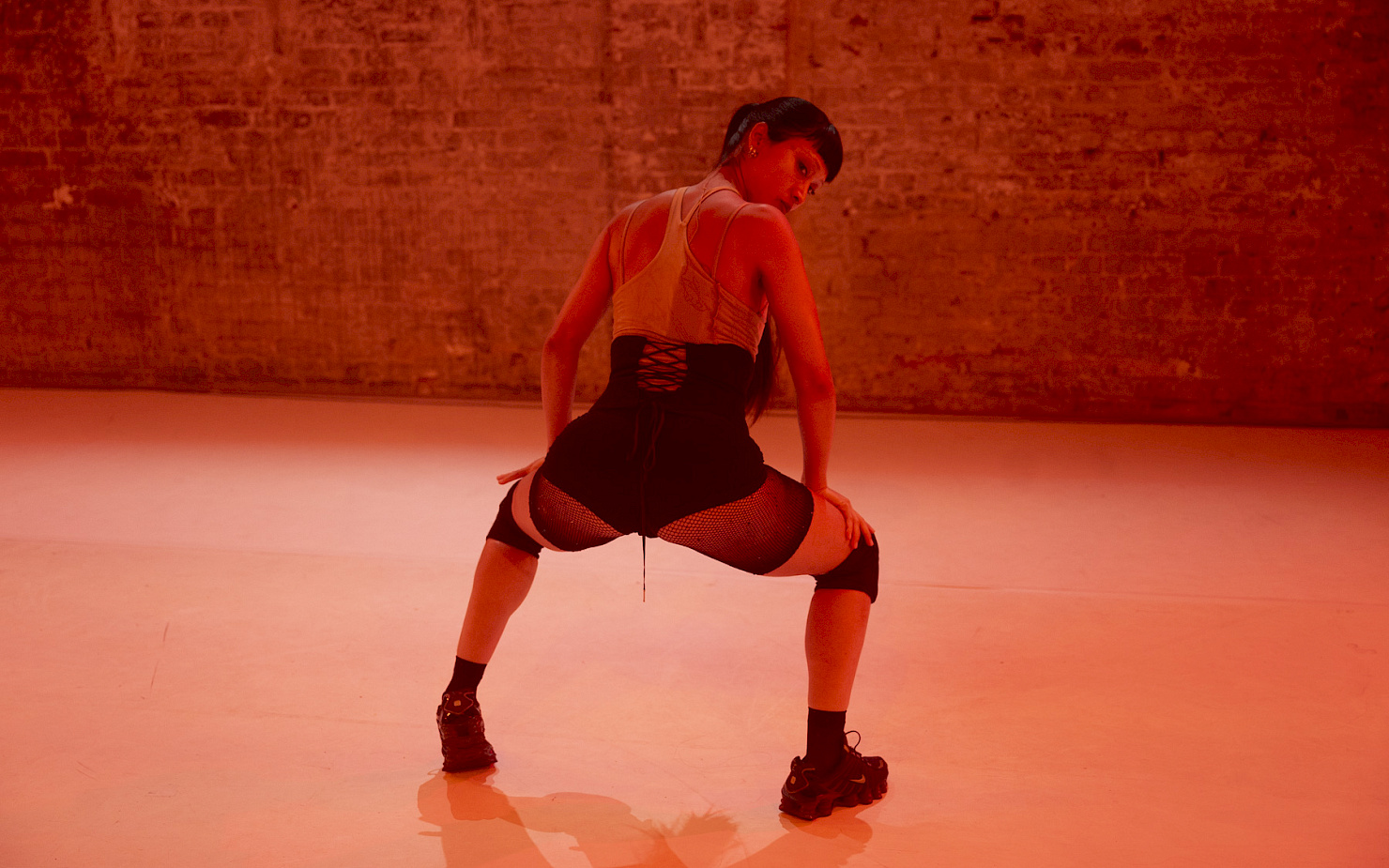
On the last weekend in October 2026, artist Maque Pereyra invites you to the embodied practice Yoggaton: Transformative Pleasure at Radialsystem. Yoggaton is an intersectional movement practice developed by Bolivian artist Maque Pereyra since 2016. Combining yoga asana, pelvic dances and reggaeton music, it understands the body, and specially the pelvis, as a place of memory, creativity and embodied knowledge. Yoggaton challenges binary understandings of spirituality and sensuality, body and mind, pleasure and knowledge through a decolonial perspective
Developed through ten years of workshops, performances and artistic research – including "Solar Threshold", "Culona de cerebro jugoso" and the research project P"erreando la migración" – Yoggaton has been both a movement and an artistic practice. As part of the celebration of Yoggaton's tenth anniversary, this scenic experience unfolds as a hybrid performance-workshop. Participants are invited on a journey that moves from reflection to embodiment, to celebration, blurring the boundaries between learning, performance and dance floor.
© Dieter Hartwig
#17 Hiltinho Fantástico & Katiany Correia: „Brazilian Urban Dances“
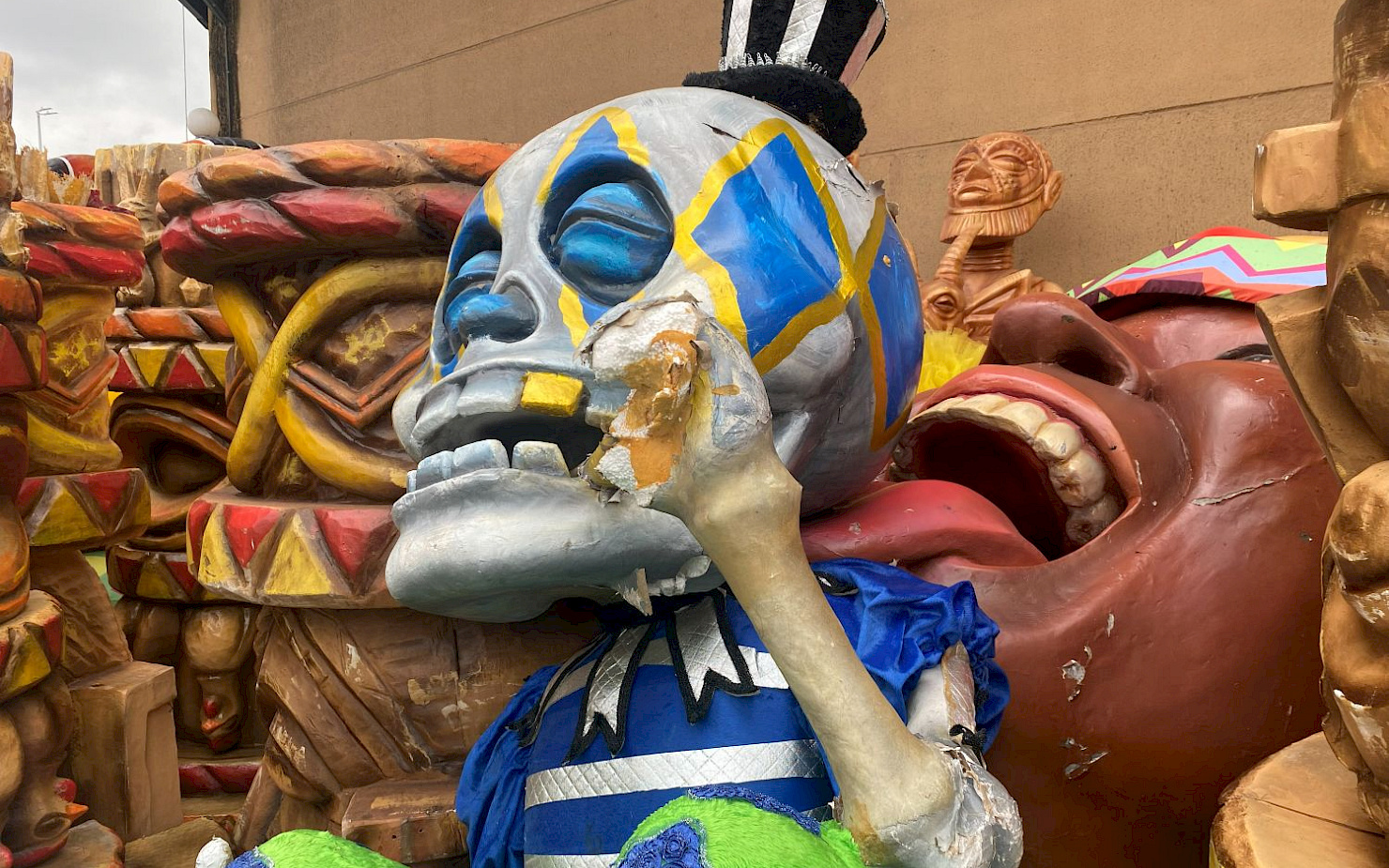
To kick off Radialsystem’s new series wielding fissures – carving cracks in the surface of the now, Brazilian choreographer Alice Ripoll presented a performance of Adorno with Cia REC, a group of artists from Rio de Janeiro. Ripoll’s work is rooted in contemporary dance and urban dance styles from Brazil. In addition, dancers Hiltinho Fantástico and Katiany Correia will share techniques from the Brazilian urban dance styles Passinho and Rebolado, as part of an Embodied Practice session for dance professionals and interested members of the public.
Passinho originated in the favelas of Rio de Janeiro. It is danced to funk carioca rhythms, and is known for its agility, complex foot movements, and dynamic energy. The style combines influences from other dance forms, including breaking, popping, frevo, samba, kuduro, and others. These days, Passinho is often practiced at dance battles and on stages. Rebolado is also danced to funk carioca, and can be described as the Brazilian version of twerking. The main focus is on relaxing and controlling the hip muscles, and developing a feeling for rhythm and movement possibilities. Groove and body coordination are also explored in the process.
© Yuri Ramundo
#16 Sorour Darabi: „It Takes a Broken Voice“
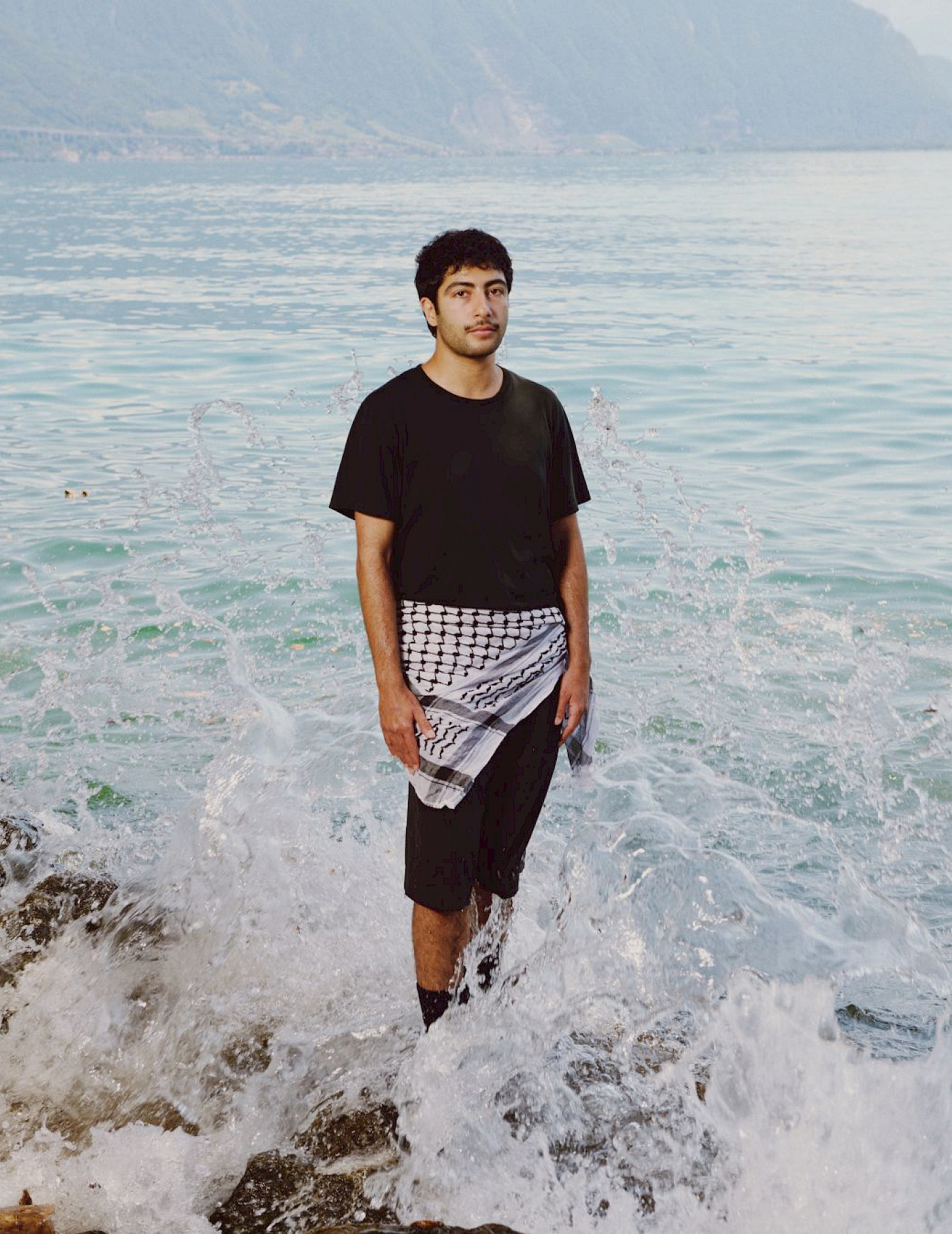
To open the series „wielding fissures – carving cracks in the surface of the now“ in Radialsystem, Iranian choreographer Sorour Darabi presented the German premiere of “Mille et Une Nuits”. This performative opera gives space to voices previously pushed aside in ancient myth. To introduce this theme, the artist invited dance and and voice enthusiasts to explore select moments from the creative process behind “Mille et One Nuits”, through “It Takes a Broken Voice”.
Sorour Darabi started integrating the voice into his choreographic process several years ago. For “Mille et Une Nuits” s.he collaborated with Henry Brown, a trans opera singer and researcher specialising in trans voices in opera. Together, they began intensive voice work with all the performers.
In this embodied practice session, Sorour Darabi invited participants to work on a trans-friendly vocal aesthetic. Emphasis was placed on creativity, and the ways in which vocal transition – especially in connection with hormone therapy – can change and enrich our relationship with the body and the voice.
Sorour Darabi © Matthieu Croisier
Embodied Practices Extended: Elisabete Finger, Pol Pi & Nitsan Margaliot, Tatiana Mejía, Martha Hincapié Charry
A weekend for sharing research through practice, conversation and time spent together: Five artists who have appeared at Radialsystem in recent years invited professional dance practitioners into their ongoing creative processes as a collective space of resonance on November 29 & 30, 2025. The four formats of Embodied Practices Extended can be attended individually or in combination, offering multiple ways of meeting and thinking together.
Between embodied archives of care, voices of lament and remembrance, movements of tenderness, and practices of ecological grief, a fabric of bodies, gestures, and voices unfolds. “Embodied Practices Extended“ aims at giving presence to the often-invisible ongoing labor through which artistic practice is sustained, holding space for what has not taken form the form of production.
A communal meal also invited to continued exchange in-between each individual session. Visible and invisible layers of embodied knowledge merged into a space of shared attention – a place where practice becomes relational, touch becomes insight, and listening becomes actoin. Hosting here turns into an art of being-with: open, porous and in transformation.
#15 Martha Hincapié Charry: „EARTH BODIES – environmental grief“
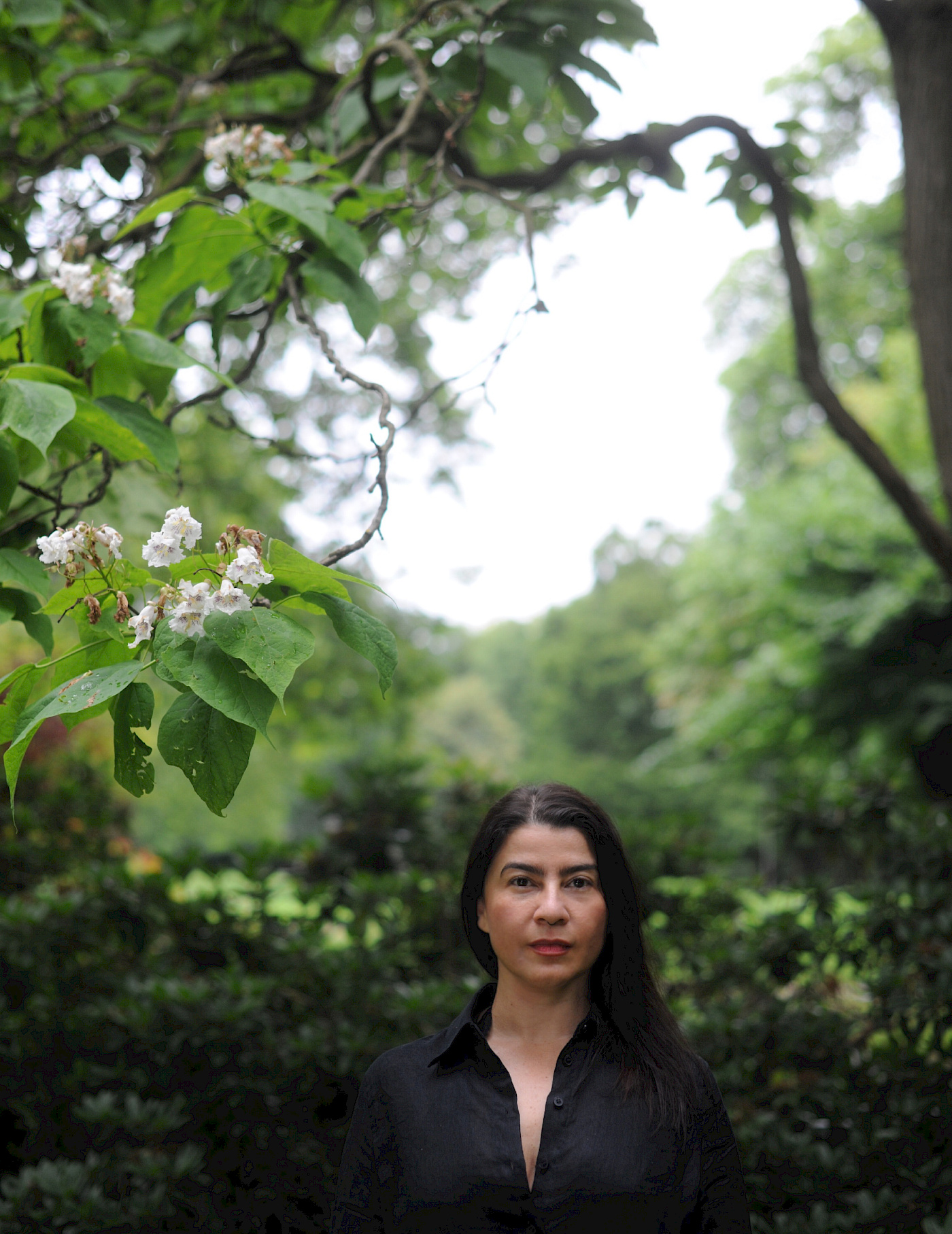
The process EARTH BODIES – environmental grief delved into the effects on the body of the sense of grief created by today’s constant onslaught of negative environmental change and human-made eco-disasters in order to document these effects. The research aims to explore the environmental grief we feel when our ecosystems are altered or threatened due to global warming or other environmental crises, specifically addressing the impact of climate change and extreme weather conditions on physical, mental, and emotional well-being.
“EARTH BODIES – environmental grief”, with an ecofeminist approach, reimagines (environ-)mental care through a decolonial perspective on climate anxiety by fostering biodiverse relationships and a regenerative approach. How are our bodies and all our relationships affected by environmental grief? The proposal opens channels of somatic, sensorial, and embodied encounter, creating an awareness space about the urgency of rewilding our wounded home. Human and more-than-human ancestral knowledge were invoked in a ceremonial space where participants were free to take off their shoes and get in touch with soil, experiencing an intimate, immersive space.
Martha Hincapié Charry © Barbara Dietl
#14 Tatiana Mejía: „Resonating Practice“
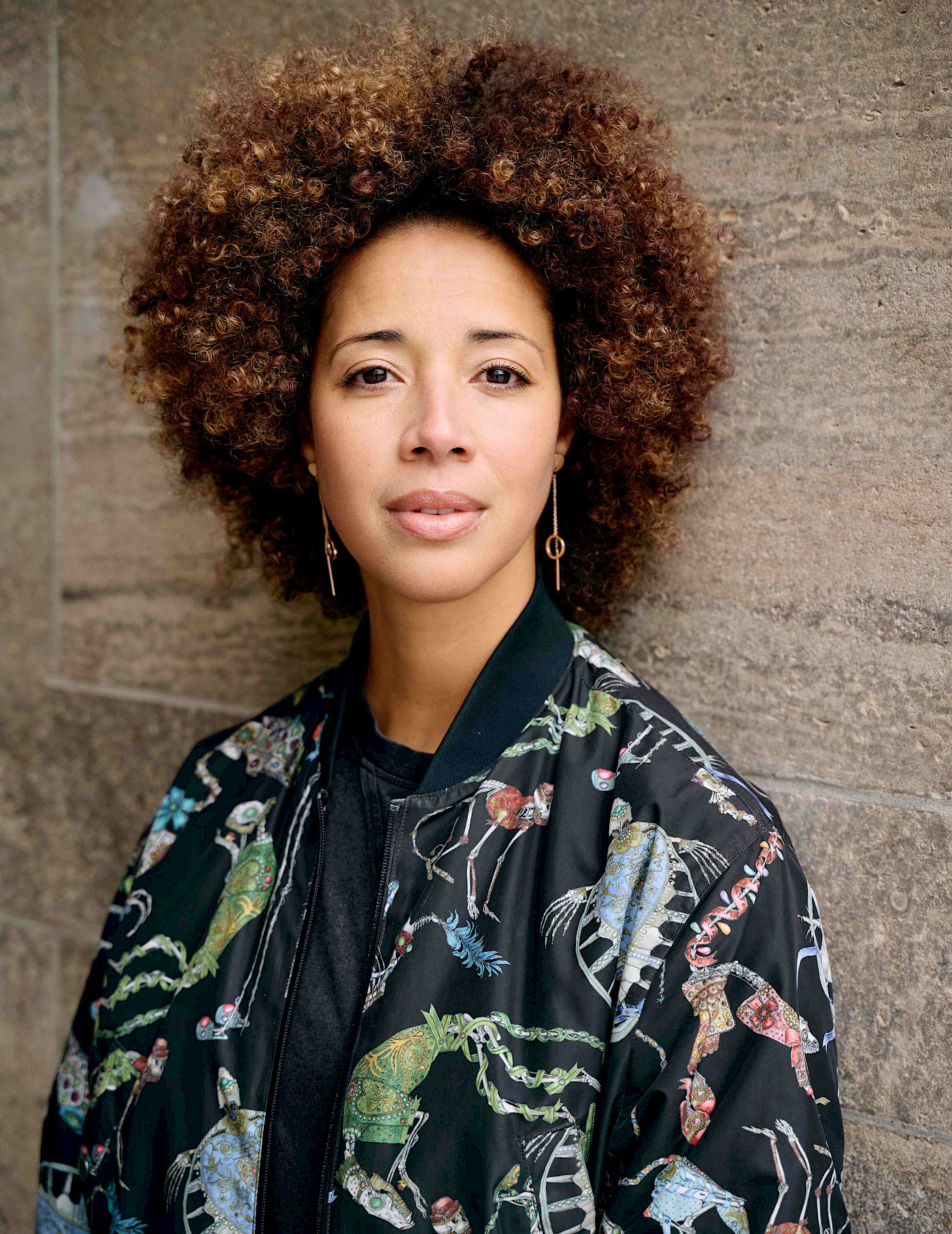
A workshop shaped by sap: fluid, cyclical, unseen. Tatiana Mejía invites participants into a shared practice of movement, voice, and memory. Guided scores emerge from bodily sensation and imagination, blending Afro-Caribbean and contemporary dance with somatic practices and pedestrian movement. Through lament, loop and call and response, the voice becomes rhythm, vibration, trace. Resonating Practice is an invitation to curiosity, to engage movement and voice with awareness of sensation, physical memory, pleasure and pain. A space to move with the present, what flows, what resists, what re-forms, and to glimpse what the future could feel like.
Tatiana Mejía © Fritzi Schwarzbauer
#13 Pol Pi & Nitsan Margaliot: „Variations on Tenderness“
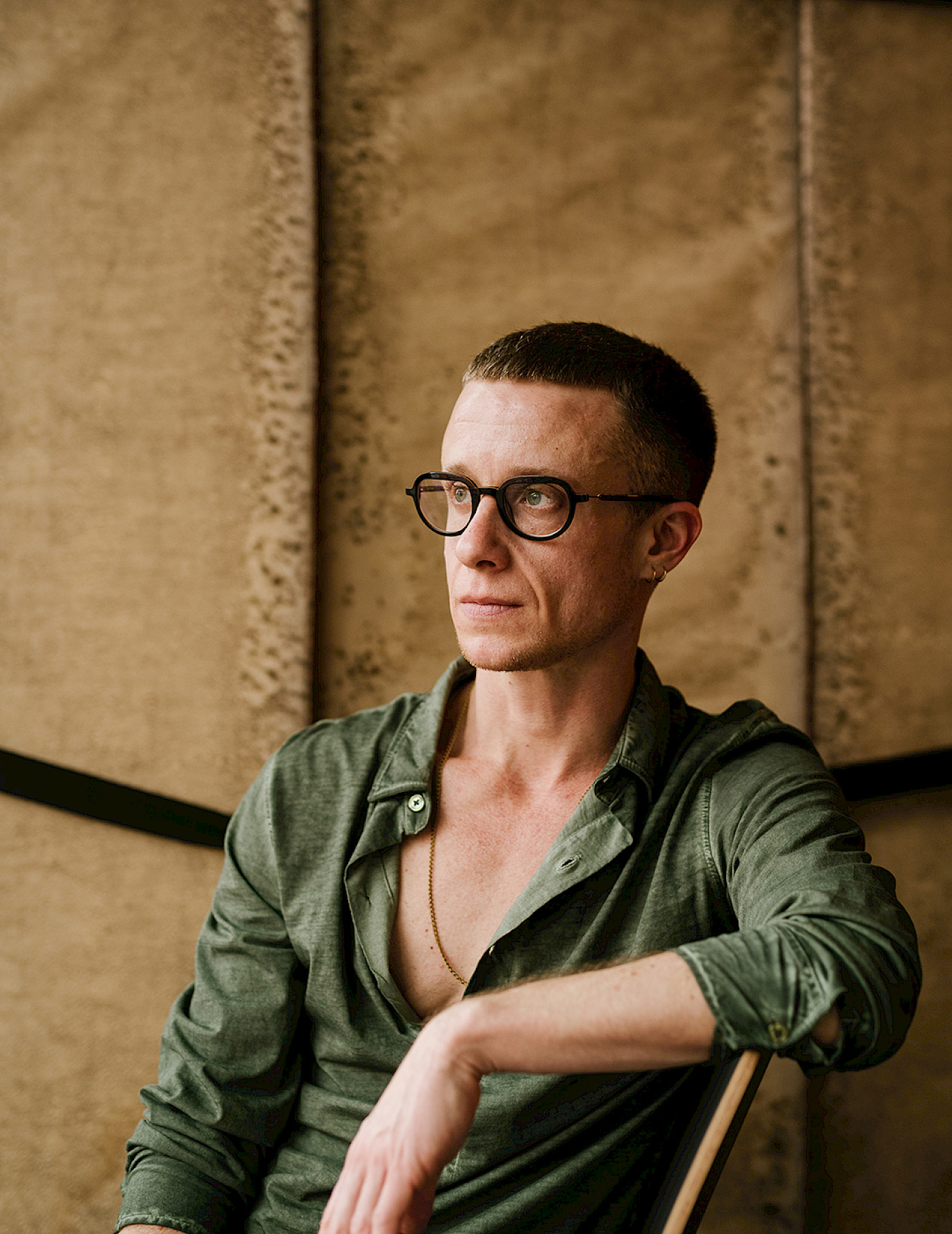
Pol Pi and Nitsan Margaliot share common approaches, interests, and a shared work ethic: they work to bring intuition into the studio through somatic practices, they share a passion for working with archives and memory, and they embrace vulnerability as a space to connect with audiences. In this first collaboration, their dialogue will weave around the notion of tenderness.
What can this notion teach us about the ways we inhabit the world and our own bodies, about our human relationships, and our connections with living beings? What ethics can guide us in embracing the poetics of tenderness? Through what they call the methodology of variation (in the musical sense, where a theme is repeated in modified forms), they will craft a performative dialogue based on the gradual transformation of choreographic materials emerging from this tenderness-territory –gestures, movements, or situations that are either new or drawn from archives.
Pol Pi © Phil Dera
#12 Elisabete Finger: „Horses Forces – Embodying Archive Images“
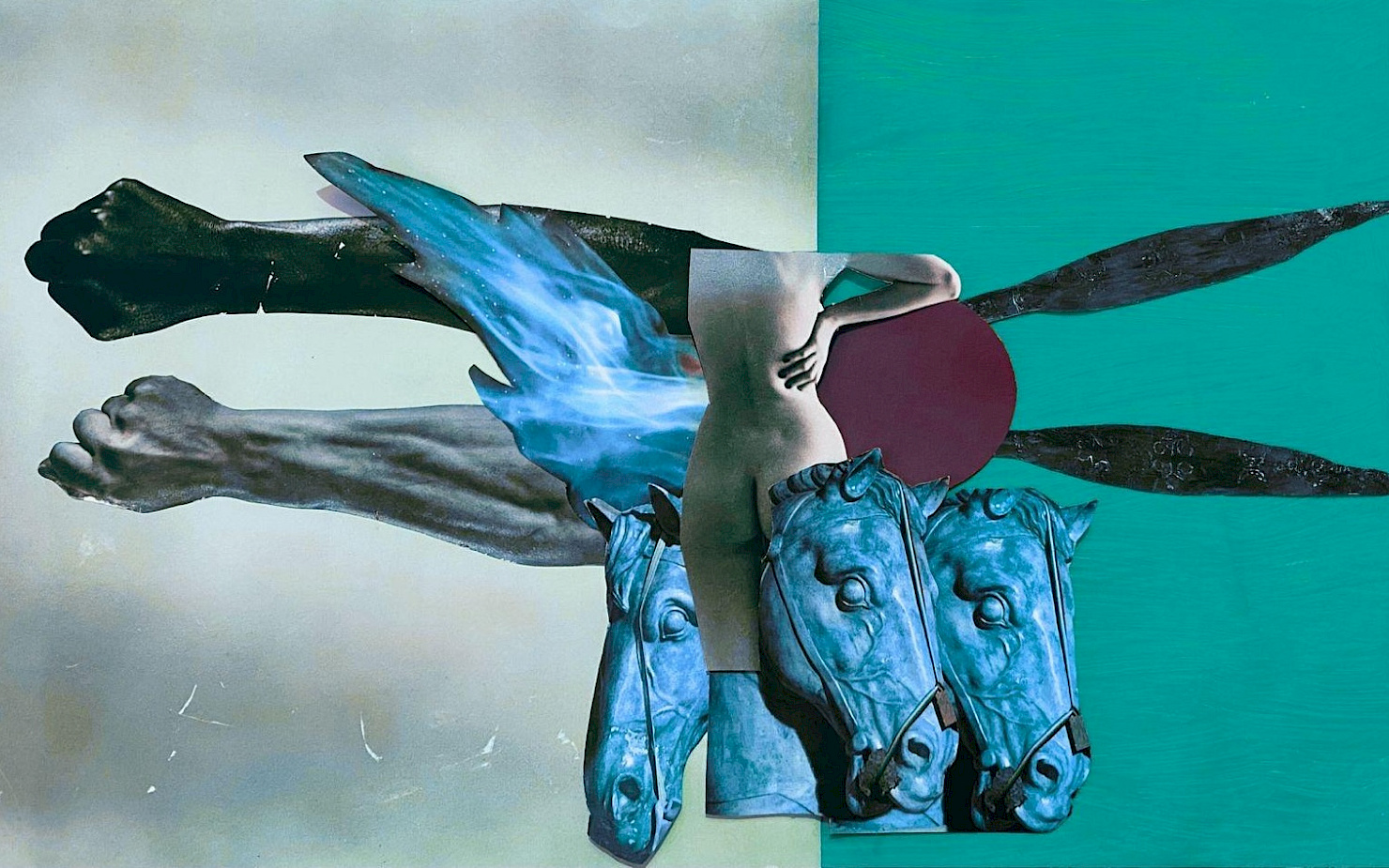
The workshop departs from an archive of artistic, historical, and documentary images that portray diverse visual narratives of care across different times, cultures, and places. The central question in the archive is not what we care for, but how: what happens to the bodies of those who give and receive care? The workshop will navigate the archive, exploring different ways of embodying images and giving them flesh by replacing the original figures with the performers’ bodies as a strategy to study not only what is visible – gestures, postures, positions, and anatomical implications – but also what is invisible: the political, social, cultural, and ancestral forces that traverse and sustain the action.
By embodying these narratives, the performer becomes a medium for a system – stepping down from the rider’s seat and turning into horses ridden by unseen forces. From a single still image, would it be possible to sense past or future gestures? Engaging with principles inspired by systemic constellations and operational logics of AI-based image animation – translated into embodied experimentation – a static frame will gain movement and duration. Choreography might emerge from subtle developments of the central figure into a GIF, a loop, or a brief fictional continuation.
© Elisabete Finger
#11 André Uerba: „Space Weavers“
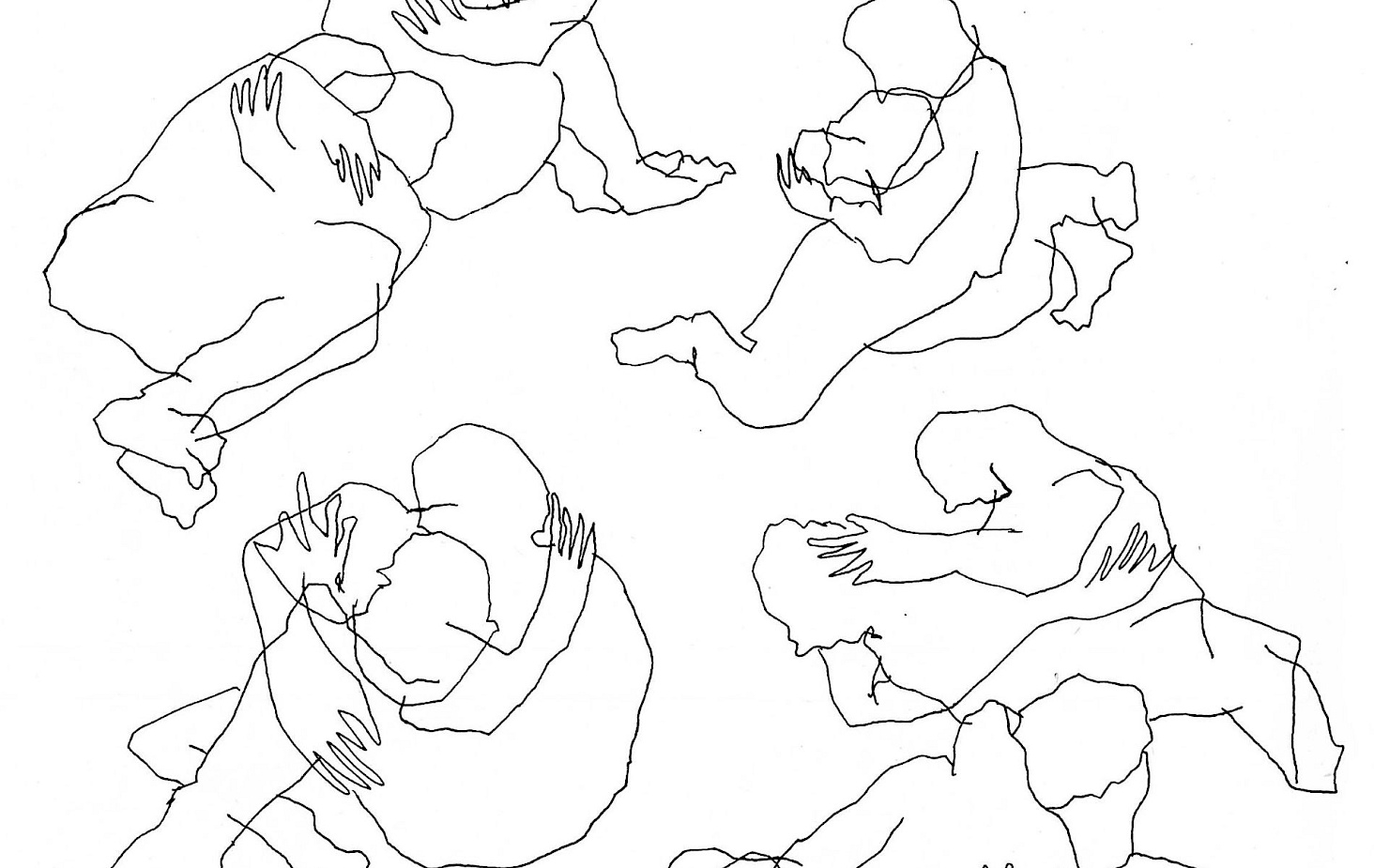
As part of the program series Conjunctions – Acts of being in relation, choreographer André Uerba invites participants to a two-day Embodied Practice at Radialsystem. Space Weavers takes gestures of intimacy and dispositives of support (giving & receiving) as a creative and ethical impulse. It explores themes of affect and investigates structures and politics of intimacy through gestures, text, sound and touch.
“Space Weavers” is a lab that researches a choreography emerging from a cultivation of somatic practices. Participants are invited to explore their space weaver – their maker of spaces to inhabit – as an individual and as a collective body. Working across slow gestures, intimacy, presence, holding space, consent and soft touch, it proposes to examine the desire of belonging, of been seen, heard and held. Space Weavers explores and seeks to reimagine the rituals of gathering in the 21st century.
Sat 20 09 2025 11:00 – 18:00 h
Sun 21 09 2025 11:00 – 18:00 h
© Maria Abrantes
#10 Diana Niepce: „The Knowing Body“
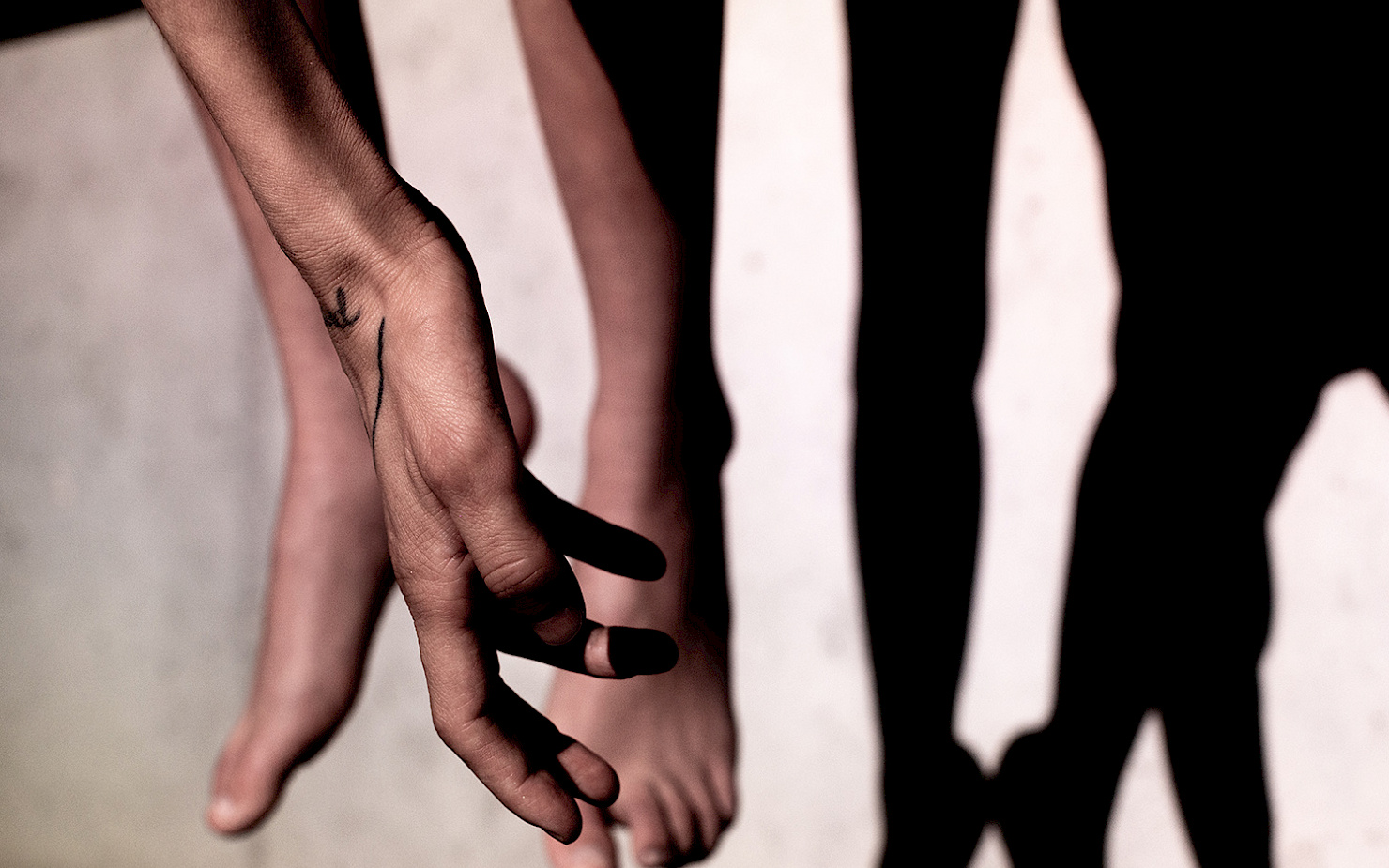
To accompany the series Conjunctions – Acts of being in relation, dancer and choreographer Diana Niepce invited participants to a laboratory that uses improvisation to explore the logics of physics that guide the body in movement. The aim of the workshop The Knowing Body is to develop techniques for deepening embodied knowledge and re-articulating the body as a state of potential. Thinking about the body from the inside out and learning to understand its becoming and changing creates pathways to conceive of its identity differently and define it as a story and manifesto. “The Knowing Body” focuses on improvisation, how space can be perceived and utilised, and the gaze that makes ideas of a hybrid body possible – ideas that can find their place on the stage in ironic and sarcastic ways.
In parallel to the collective development of non-normative dance and body practices, “The Knowing Body” offers a space to think about the possibility of a “good practice”. What could an ethical and democratic dance practice look like? What should be considered in dance communication? “The Knowing Body” is a creative process in a political and identity-related context. Participants are encouraged to think about (artistic) creation in relation to its social relevance, history, genealogy, and urgency.
© Alípio Padilha
#9 Alexandre Achour: „Dance with me“ (CANCELLED)
Accompanying the programme series Conjunctions – Acts of being in relation, choreographer Alexandre Achour presented his practice format Dance with me for the first time in Berlin. “Dance with me” is part of an ongoing project called “Choreographic Games” that explores the intersection between choreography and Nordic Live Action Role Playing Games (LARP). LARP is a type of immersive game in which participants embody characters and play fictional scenarios. “Dance with me” focuses on the idea of “choreography without centre”, which are dynamic choreographic structures that decentre singular perspectives and aesthetics. The LARP is based on the fiction of a rehearsal and a performance and explores the intricate space between support as a principle of work and authority of the singular artist. It is a mix between wordless movement scenes and verbal scenes during which participants are invited to experience immersion, co-creation, togetherness, dissent, and above all playfulness.
Unfortunately, the Embodied Practice had to be cancelled at short notice.

© Svea Immel
#8 Joy Alpuerto Ritter: „Storytelling“
During the practice-based format Storytelling, dancer and choreographer Joy Alpuerto Ritter invited participants to explore the body as both a tool and a source for storytelling: an exploration of self-expression and the potential to let one’s inner strength speak through the body.

© Denis Kooné Kuhnert
#7 Myriam Van Imschoot & Lucas van Haesbroeck: „Voice-Session“
As part of the immersive performance Nocturnes for a Society by Myriam Van Imschoot and Lucas van Haesbroeck, audiences were invited to two “Embodied Practices” held in complement to the performances. These sessions focussed on the production of felt as a shared practice and the voice as a medium of community building.
Sound artist Myriam Van Imschoot invited audiences to experience the concretely sonic and auditory connections – not only among one another but within Radialsystem’s acoustics and spaces as well. This session offered a relaxed and open environment in which to experience the power of one’s own voice. It included a warm-up and several guided group improvisations.

© Veerle Vercauteren
#6 Myriam Van Imschoot & Lucas van Haesbroeck: „Felt-Session“
As part of the immersive performance Nocturnes for a Society by Myriam Van Imschoot and Lucas van Haesbroeck, audiences were invited to two “Embodied Practices” held in complement to the performances. These sessions focussed on the production of felt as a shared practice and the voice as a medium of community building.
The production of felt is an ancient process. Felting creates connections; it is a special moment of encounter enabled by its simple technique and the fact that is requires many hands to accomplish. In the open atmosphere that this work engenders, conversations may arise, and knowledge and techniques related to wool and the felting process exchanged and applied. Participants had the opportunity to make felt blankets, each of which are unique and special with their own motifs and patterns. The felt blankets then formed an integral part of Myriam Van Imschoot’s and Lucas Van Haesbroeck’s performance “Nocturnes for a Society”.

© Veerle Vercauteren
Encounters
The platform Encounters was developed in collaboration with the associated curators Raphael Moussa Hillebrand, Sandhya Daemgen and Martha Hincapié Charry. In September 2022, dancer, choreographer and activist Raphael Moussa Hillebrand, whose artistic practice is rooted in the B-boy scene and who received the German Dance Award in 2020, invited leading representatives of urban dance styles to immerse participants in the worlds of House Dance, Breakin’ and Krump. In October 2022, dancer, performer and video artist Rocío Marano led a workshop on the Argentine Malambo. She challenges Western interpretations of the form and connects its origins to Argentina’s colonial and violent history. In mid-November 2022, singers Peny Chan and Rully Shabara invited participants to explore the human voice and culturally shaped vocal techniques. Also in November 2022, artists Martha Hincapié Charry and Thiago Granato examined body practices as part of local utopias and survival strategies within Indigenous communities in their countries of origin.
In the frame of "Encounters - Embodied Practices". "Encounters" is a project by Radialsystem and is supported by DIEHL+RITTER/TANZPAKT RECONNECT, funded by the Federal Government Commissioner for Culture and the Media as part of the NEUSTART KULTUR. Hilfsprogramm Tanz.
#5 Martha Hincapié Charry: „foRest – slow medicine“
Slowness as a healing process: deactivating the body with the sunset, leaving the burden of the day behind – “foRest – slow medicine” opens a space of deceleration. Artist Martha Hincapié Charry carves out an evening space dedicated to slowing down and regeneration, inviting us to reflect upon the connection between the current crisis of our natural resources and our relationship to a moment’s pause.
“foRest – slow medicine” is open to all interested parties; BIPoC are especially welcome. Participants will be passively involved; a basic openness to being barefoot and coming into contact with the earth is desired.

© Liliana Merizalde
#4 Thiago Granato: „Moving Through Emergencies“
In the fourth instalment of Radialsystem’s practice and dialogue series “Encounters – Embodied Practices”, Brazilian choreographer Thiago Granato issues an invitation to an early morning communal body practice with “Moving through Emergencies”, inspired by a ritual of the Txucarramãe, an indigenous people in Brazil. His methodology combines Kundalini Yoga, somatic fascia studies as well as a practice towards energetic body awareness, drawing from a Brazilian Txucarramãe ritual.
“Moving through Emergencies” is designed for choreographers, dancers, and performance artists who are familiar with collaborative processes of creation. Participants should eat only a light meal before the workshop, as some of the breathing exercises may put pressure on the stomach.

© Sebastian Gabsch
#3 Peny Chan & Rully Shabara: „Vocal Practices“


#2 Rocío Marano: „Matria – Motherland“
Malambo is a traditional Argentine gaucho dance: this rhythm-based step dance is performed without melody or text and traditionally by men. The workshop "Matria – Motherland", the second in Radialsystem's series "Encounters – Embodied Practices", Berlin-based Argentine dancer, performer and video artist Rocio Marano invites audiences to become acquainted with the rhythms of Malambo: the thunderous stamping of the step dance – "zapateo" – juxtaposes with rhythmic movements driven by the Bombo Legüero, an Argentine drum. Alongside practical aspects of dance, the workshop will also tackle theoretical questions: how can the popular and traditional sounds and rhythms of Malambo be liberated from a folklorist perspective and be understood as more than just a patriarchal concept?
This second workshop "Matria – Motherland" is designed for people with and without experience in dance; it is open for everyone who has an interest in rhythm and dance – who might also have fun being part of a drum ensemble for an afternoon.

#1 Anja Jadryschnikova, Prince Ofori & Raphael Moussa Hillebrand: „Urban Practices Workshop“
House dance, breakin’, and Krump are all styles of urban dance whose language of movement differ greatly from one another, yet their origins and impact share commonalities. All three styles are rooted in countercultures as strategies of self-empowerment against a system of patriarchal, capitalist and racist oppression.
Anja Jadryschnikova, Prince MIK Ofori and Raphael Moussa Hillebrand are each pioneers in their genre. To kick off Radialsystem’s new series “Encounters – Embodied Practices”, the three artists host a workshop that provides insight into their dance practices and various approaches to collaborative dance. Whether it’s the Cypher (circle), the Soul Train Line or an interactive video installation, the focus always remains on exchange and togetherness.
“#1 Urban Practices” is designed both for specialists and participants in the urban dance scene, as well as entirely new audiences. There is no age restriction; families with children are also welcome.

© Phil Dera