It Takes a Broken Voice
Embodied Practice with Sorour Darabi as part of the series „wielding fissures – carving cracks in the surface of the now“
Workshop
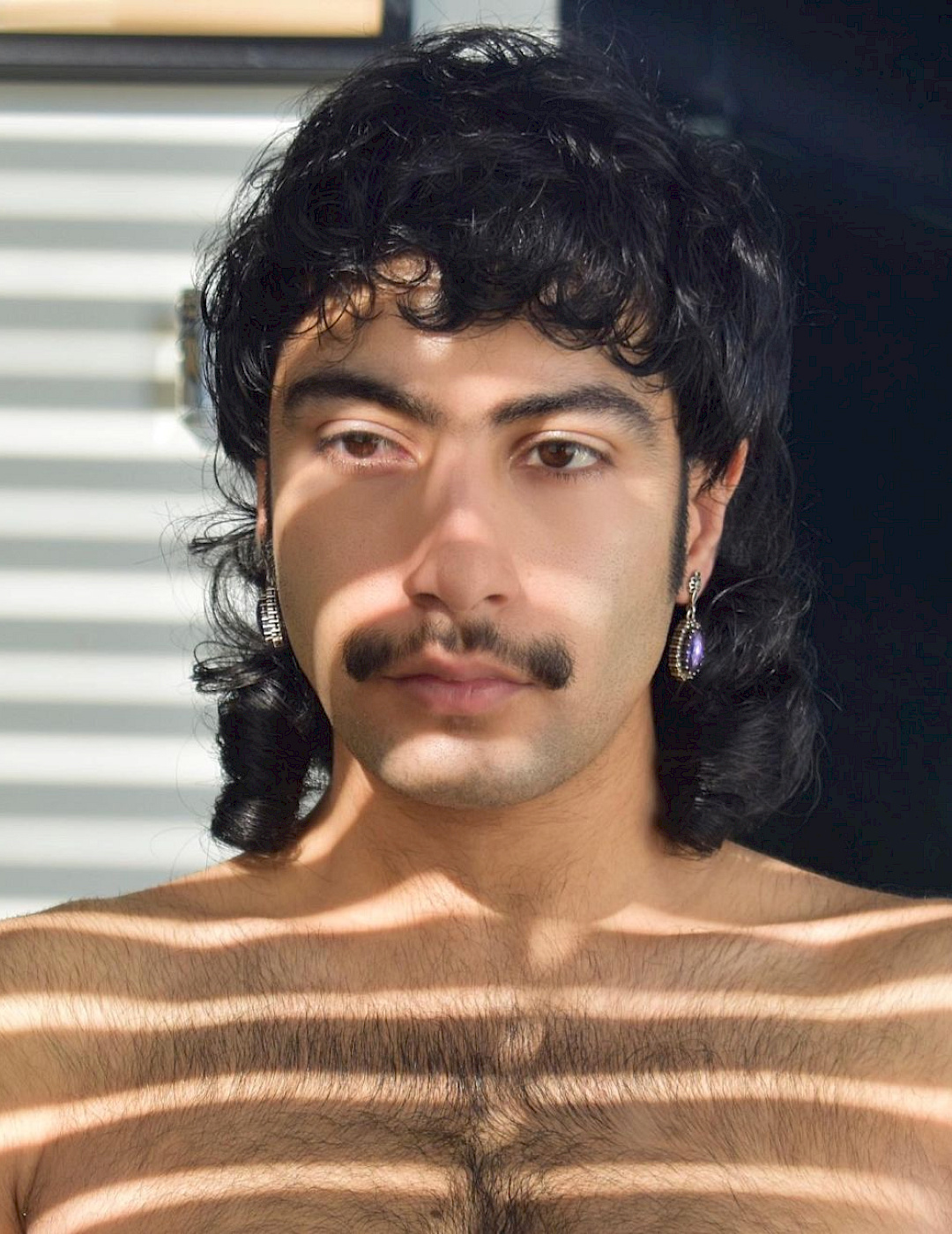
© Sorour Darabi
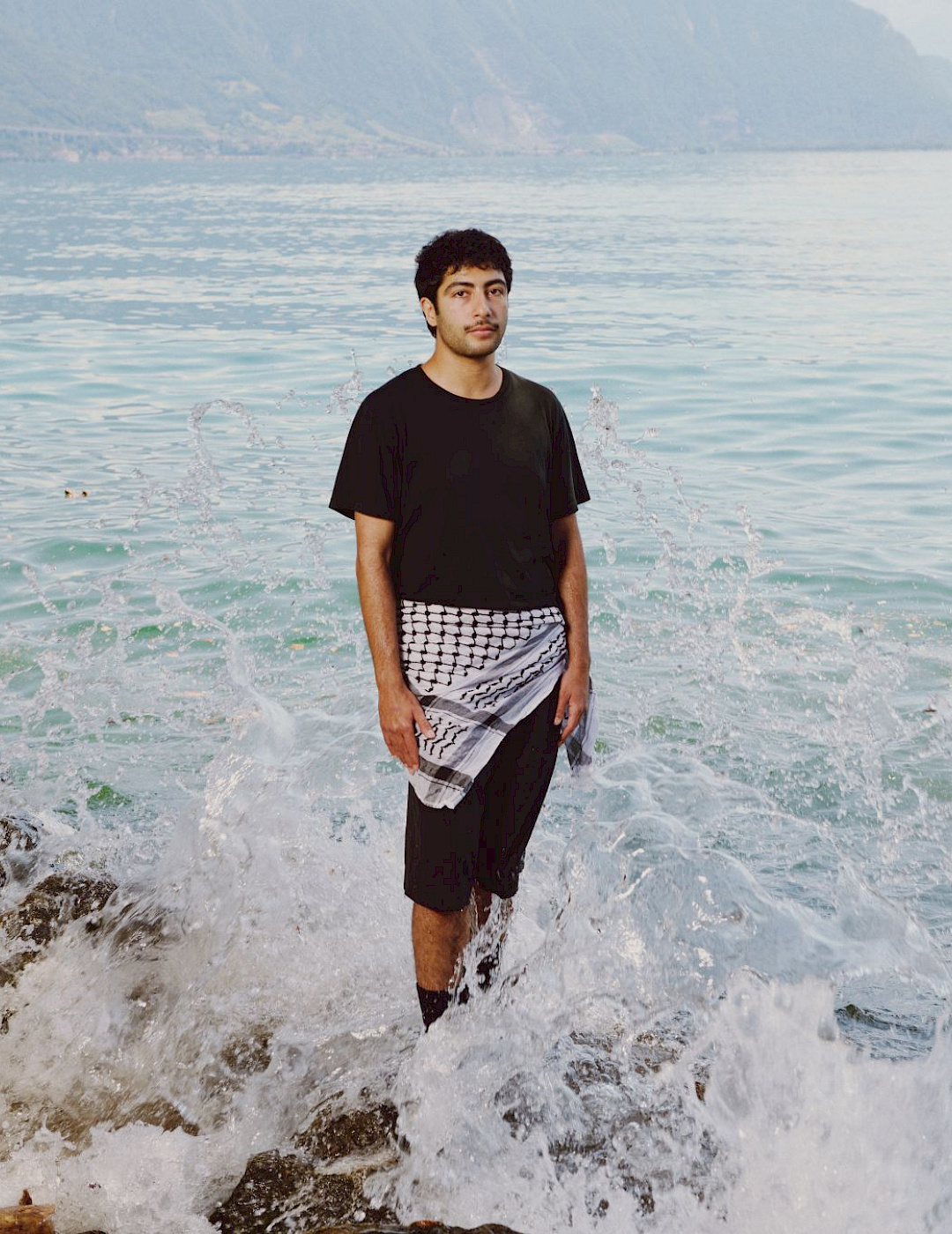
© Matthieu Croisier
Ticket Prices
Free admission
The number of participants is limited; registration is required.
To open the new series „wielding fissures – carving cracks in the surface of the now“ in Radialsystem, Iranian choreographer Sorour Darabi presents the German premiere of “Mille et Une Nuits”. This performative opera gives space to voices previously pushed aside in ancient myth. To introduce this theme, the artist is inviting dance and and voice enthusiasts to explore select moments from the creative process behind “Mille et One Nuits”, through “It Takes a Broken Voice”.
Sorour Darabi started integrating the voice into his choreographic process several years ago. For “Mille et Une Nuits” s.he collaborated with Henry Brown, a trans opera singer and researcher specialising in trans voices in opera. Together, they began intensive voice work with all the performers.
In this embodied practice session, Sorour Darabi invites participants to work on a trans-friendly vocal aesthetic. Emphasis is placed on creativity, and the ways in which vocal transition – especially in connection with hormone therapy – can change and enrich our relationship with the body and the voice.
Visitor Information
“It Takes a Broken Voice” is aimed at dance practitioners and anyone interested in voice work. No prior experience is required.
In English.
Cast


Lead
Sorour Darabi
Cast
Lead
Sorour Darabi
Biographies
Der transdisziplinäre Künstler Sorour Darabi aus Shiraz im Iran lebt seit 2013 in Paris. Im Iran war er aktives Mitglied des Untergrundvereins ICCD; seine Werke wurden auf dem Festival Untimely in Teheran präsentiert. Seit 2016 werden seine Werke weltweit an wichtigen künstlerischen Spielstätten und auf Festivals gezeigt, u.a. dem Palais de Tokyo (Paris), ImPulsTanz (Wien), Kunstenfestivaldesarts (Brüssel), Centre Georges Pompidou (Paris), Fondation Lafayette Anticipations (Paris), Festival Montpellier Danse (Montpellier), Zürcher Theater Spektakel (Zürich), Tanzquartier (Wien), Tanztage Festival (Berlin), BIPOD Festival (Beirut). Sorour Darabis Arbeit ist inspiriert von Poesie und Literatur und beschäftigt sich mit der Neuerfindung der persischen Tanzkultur und einem zeitgenössischen Verständnis der Queer-Kultur im vormodernen Iran. Seine Kreationen thematisieren gesellschaftspolitische Fragen und reflektieren Begehren, Kultur, Widerstand und das Potenzial klassischer Formen, zeitgenössische Anliegen zu erkunden. 2024 entstand sein erstes zeitgenössisches lyrisches Werk „Mille et Une Nuits“. Derzeit bereitet er seine zweite kollektive Kreation, „MAJNÛN“ vor (UA 2028), die dieses Jahr in einer Trio-Version präsentiert wird. Weitere Werke der letzten Jahre sind u.a. „From the Throat to the Dawn“ (2022), „Natural Drama“ (2021), „Mowgli“ (2020), „Savusun“ (2018) und „Farci.e“ (2016). Parallel zu seinen Choreografien leitet Sorour Darabi Workshops für Amateur- und Profi-Künstler*innen und -Tänzer*innen. 2023 gründete er in Paris seine eigene Compagnie DEEPDAWN.
Biographies
Der transdisziplinäre Künstler Sorour Darabi aus Shiraz im Iran lebt seit 2013 in Paris. Im Iran war er aktives Mitglied des Untergrundvereins ICCD; seine Werke wurden auf dem Festival Untimely in Teheran präsentiert. Seit 2016 werden seine Werke weltweit an wichtigen künstlerischen Spielstätten und auf Festivals gezeigt, u.a. dem Palais de Tokyo (Paris), ImPulsTanz (Wien), Kunstenfestivaldesarts (Brüssel), Centre Georges Pompidou (Paris), Fondation Lafayette Anticipations (Paris), Festival Montpellier Danse (Montpellier), Zürcher Theater Spektakel (Zürich), Tanzquartier (Wien), Tanztage Festival (Berlin), BIPOD Festival (Beirut). Sorour Darabis Arbeit ist inspiriert von Poesie und Literatur und beschäftigt sich mit der Neuerfindung der persischen Tanzkultur und einem zeitgenössischen Verständnis der Queer-Kultur im vormodernen Iran. Seine Kreationen thematisieren gesellschaftspolitische Fragen und reflektieren Begehren, Kultur, Widerstand und das Potenzial klassischer Formen, zeitgenössische Anliegen zu erkunden. 2024 entstand sein erstes zeitgenössisches lyrisches Werk „Mille et Une Nuits“. Derzeit bereitet er seine zweite kollektive Kreation, „MAJNÛN“ vor (UA 2028), die dieses Jahr in einer Trio-Version präsentiert wird. Weitere Werke der letzten Jahre sind u.a. „From the Throat to the Dawn“ (2022), „Natural Drama“ (2021), „Mowgli“ (2020), „Savusun“ (2018) und „Farci.e“ (2016). Parallel zu seinen Choreografien leitet Sorour Darabi Workshops für Amateur- und Profi-Künstler*innen und -Tänzer*innen. 2023 gründete er in Paris seine eigene Compagnie DEEPDAWN.
Visitor Information
“It Takes a Broken Voice” is aimed at dance practitioners and anyone interested in voice work. No prior experience is required.
In English.
Credits
The series “wielding fissures” is funded by the Senate Department for Culture and Social Cohesion as part of its interdisciplinary funding programme.
With support from the Radial Foundation.
Credits
The series “wielding fissures” is funded by the Senate Department for Culture and Social Cohesion as part of its interdisciplinary funding programme.
With support from the Radial Foundation.
To open the new series „wielding fissures – carving cracks in the surface of the now“ in Radialsystem, Iranian choreographer Sorour Darabi presents the German premiere of “Mille et Une Nuits”. This performative opera gives space to voices previously pushed aside in ancient myth. To introduce this theme, the artist is inviting dance and and voice enthusiasts to explore select moments from the creative process behind “Mille et One Nuits”, through “It Takes a Broken Voice”.
Sorour Darabi started integrating the voice into his choreographic process several years ago. For “Mille et Une Nuits” s.he collaborated with Henry Brown, a trans opera singer and researcher specialising in trans voices in opera. Together, they began intensive voice work with all the performers.
In this embodied practice session, Sorour Darabi invites participants to work on a trans-friendly vocal aesthetic. Emphasis is placed on creativity, and the ways in which vocal transition – especially in connection with hormone therapy – can change and enrich our relationship with the body and the voice.
Cast
Lead
Sorour Darabi
Biographies
Der transdisziplinäre Künstler Sorour Darabi aus Shiraz im Iran lebt seit 2013 in Paris. Im Iran war er aktives Mitglied des Untergrundvereins ICCD; seine Werke wurden auf dem Festival Untimely in Teheran präsentiert. Seit 2016 werden seine Werke weltweit an wichtigen künstlerischen Spielstätten und auf Festivals gezeigt, u.a. dem Palais de Tokyo (Paris), ImPulsTanz (Wien), Kunstenfestivaldesarts (Brüssel), Centre Georges Pompidou (Paris), Fondation Lafayette Anticipations (Paris), Festival Montpellier Danse (Montpellier), Zürcher Theater Spektakel (Zürich), Tanzquartier (Wien), Tanztage Festival (Berlin), BIPOD Festival (Beirut). Sorour Darabis Arbeit ist inspiriert von Poesie und Literatur und beschäftigt sich mit der Neuerfindung der persischen Tanzkultur und einem zeitgenössischen Verständnis der Queer-Kultur im vormodernen Iran. Seine Kreationen thematisieren gesellschaftspolitische Fragen und reflektieren Begehren, Kultur, Widerstand und das Potenzial klassischer Formen, zeitgenössische Anliegen zu erkunden. 2024 entstand sein erstes zeitgenössisches lyrisches Werk „Mille et Une Nuits“. Derzeit bereitet er seine zweite kollektive Kreation, „MAJNÛN“ vor (UA 2028), die dieses Jahr in einer Trio-Version präsentiert wird. Weitere Werke der letzten Jahre sind u.a. „From the Throat to the Dawn“ (2022), „Natural Drama“ (2021), „Mowgli“ (2020), „Savusun“ (2018) und „Farci.e“ (2016). Parallel zu seinen Choreografien leitet Sorour Darabi Workshops für Amateur- und Profi-Künstler*innen und -Tänzer*innen. 2023 gründete er in Paris seine eigene Compagnie DEEPDAWN.
Related